
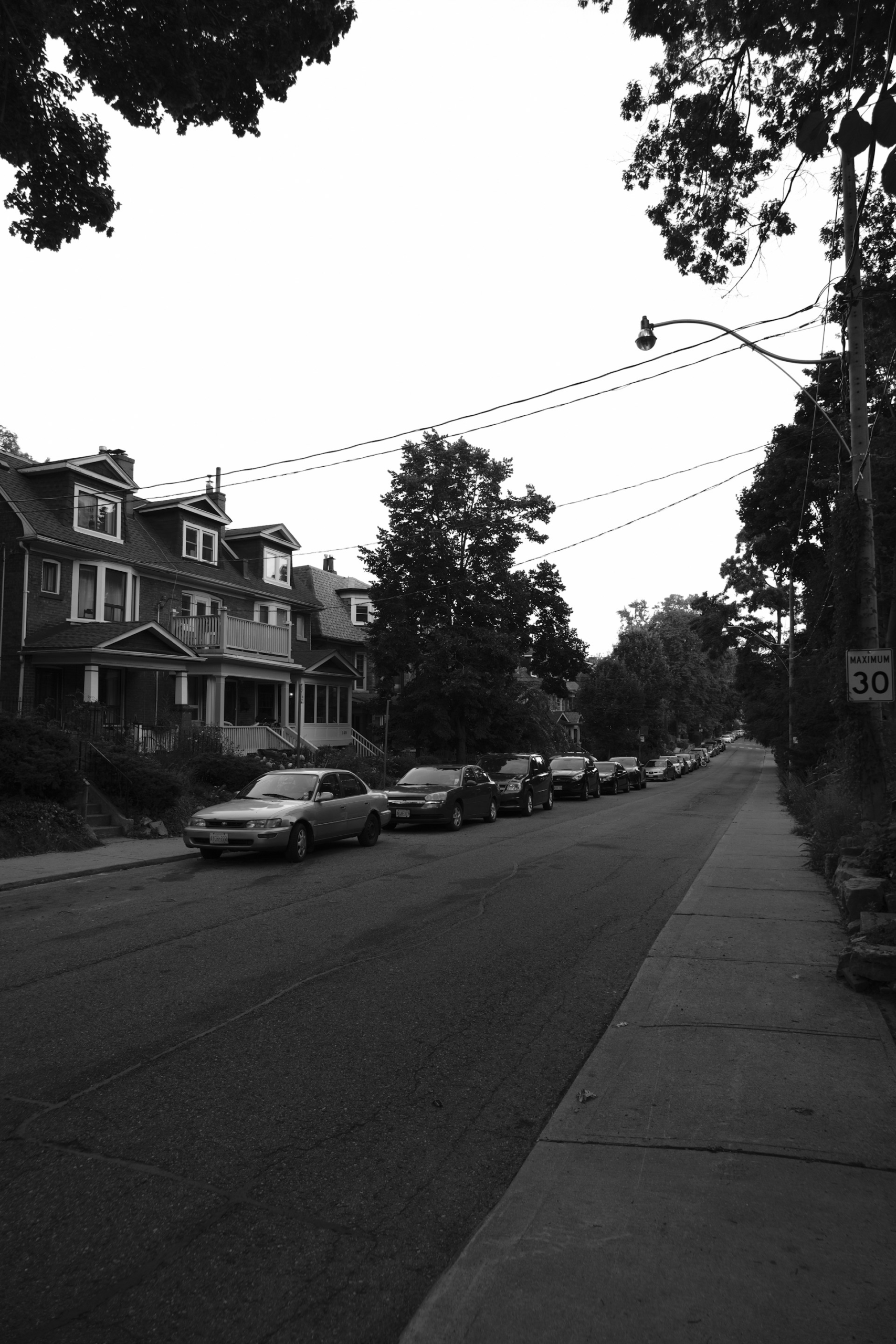
Rural White Struggles Were Ignored While Black Neighborhoods Got Blamed
Poor Black neighborhoods have long been criticized for poverty and decline, but the real causes—bad policy, systemic neglect, and economic shifts—rarely get attention. At the same time, poor rural white communities also collapsed as jobs vanished and old ways of life disappeared. Many of these families moved into struggling urban neighborhoods, mostly Black ones, already under pressure from decades of disinvestment.
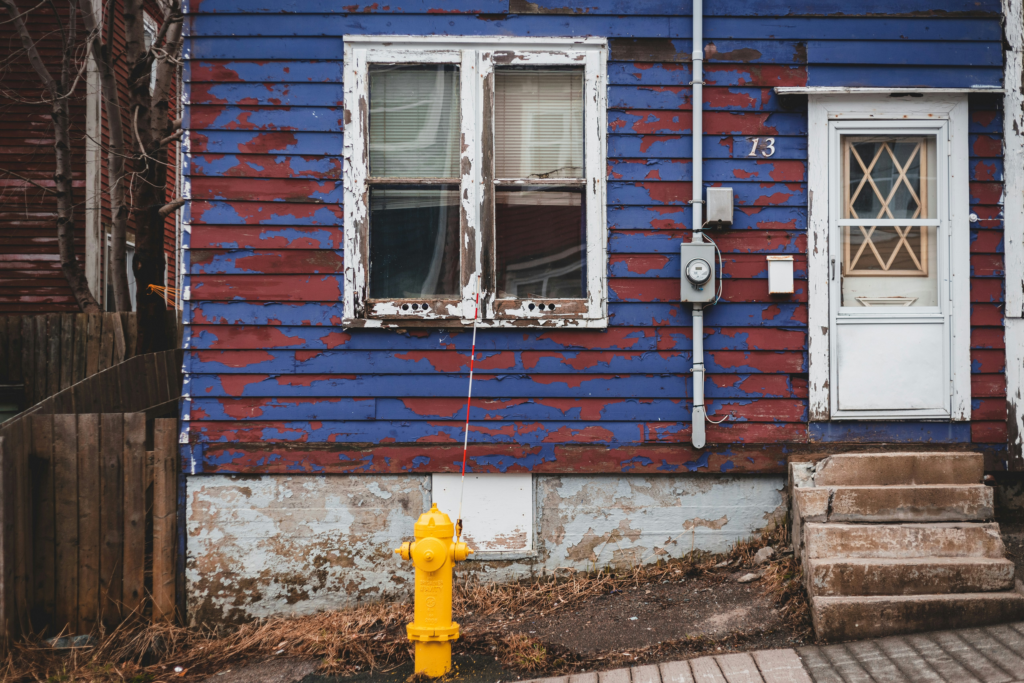
Clashing Cultures and Crisis Opened the Door for Displacement

When rural white families entered the cities, cultural differences deepened existing problems. Then came the crack epidemic, adding fuel to the fire. Neighborhoods fell apart—neglected homes, drug problems, and rising tension. Instead of helping, city leaders used the chaos as an excuse to seize properties, remove families, and rebrand communities through gentrification.
The People Are Gone—But the Pain of Losing “Home” Remains
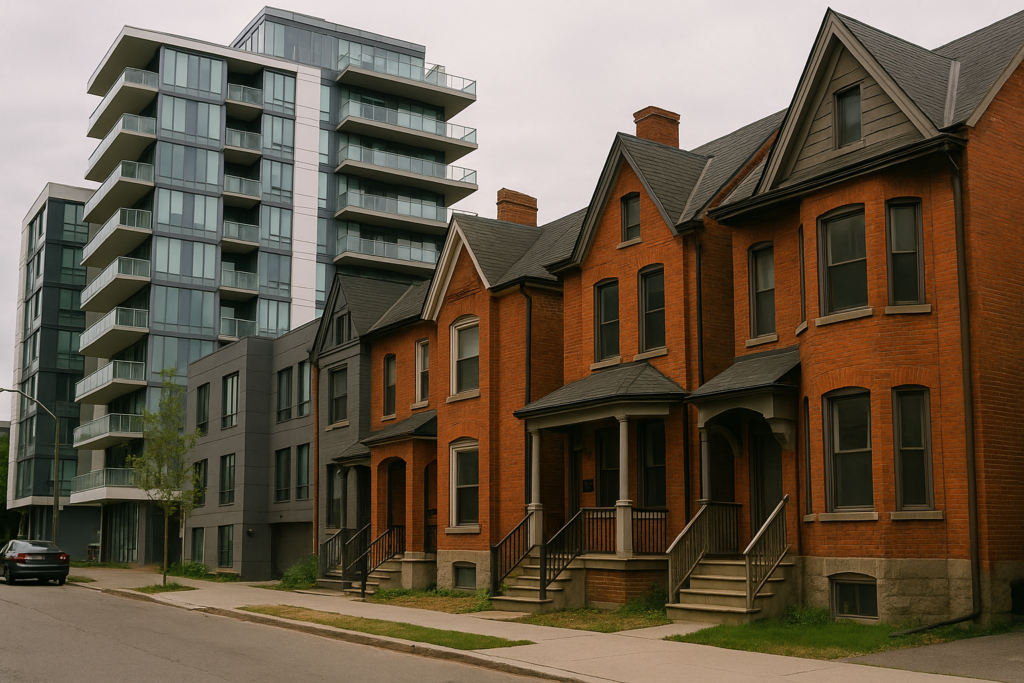
Today, the culture that once defined these neighborhoods is fading. New developments stand where long-time families once lived, but the soul of the community is missing. Gentrification didn’t just change how the neighborhood looks—it erased the people who built it. When your home no longer welcomes you, it’s not just a building that’s lost—it’s a part of your identity.